Daywear vs Sleepwear for Babies: Does It Really Matter?
Share
When you’re dressing a baby, it’s easy to think, they’re just clothes.
If something feels soft enough, why should it matter whether it’s meant for daytime or sleep?
A lot of parents wonder about this especially in the first year. Babies nap whenever they want, sometimes anywhere, and there are days when it feels like they’re perfectly happy staying in the same outfit from morning to night.
So does it really make a difference?
The answer isn’t a strict yes or no. It’s more about small things. Little details that affect how comfortable your baby feels, how easily they settle, and how smooth your days and nights feel overall.
Here’s what actually matters.
During the day, babies are more active than we realise. Even newborns are constantly moving. They stretch their arms, kick their legs, curl up, straighten out, wriggle around it’s how they stay comfortable.
Daywear is usually designed with this in mind. It’s made to move with the baby. It’s breathable, flexible, and comfortable enough for feeding, playing, tummy time, and being carried around all day.
Sleepwear has a different job. At night, the goal isn’t movement it’s rest. That’s why sleepwear is often softer, looser, and simpler. Fewer seams, gentler waistbands, and relaxed fits help reduce small irritations that can disturb sleep.
It’s not about how clothes look. It’s about how they feel when your baby is awake and active versus when they’re trying to rest.
Changing into sleepwear can also become a gentle signal for bedtime.
Babies don’t understand routines the way adults do, but they do notice patterns. When the same few things happen every night lower lights, quieter voices, a fresh set of soft clothes it slowly tells them that the day is ending.
Changing into sleepwear doesn’t magically make babies sleep. But over time, it can help their body start to relax. Even something simple, like putting on a lightweight muslin night set, can become part of that calming rhythm.
It’s a small cue, but small cues add up.
Fabric choice matters even more once your baby is asleep.
During sleep, babies stay in one position longer. That’s when rough seams, tight elastics, or heavy fabrics can become uncomfortable. Breathable materials like muslin cotton or soft organic cotton help regulate body temperature and reduce overheating especially in warmer weather.
Lightweight sleepwear lets air flow while still keeping your baby comfortable and secure.
During the day, babies move constantly and adjust themselves. At night, they rely more on their clothes to stay comfortable.
Daywear, on the other hand, is made for real life.
Feeding spills happen. Diapers leak. Drool shows up out of nowhere. Babies crawl, roll, and sometimes head outdoors. Daywear is usually designed to handle all of that. Easy openings, practical fits, and fabrics that can handle frequent washing make life easier for parents.
Sleepwear isn’t meant for all that. It’s meant for calm, minimal disturbance, and longer stretches of rest.
Having separate daywear and sleepwear doesn’t mean you need lots of clothes. It just helps keep routines simpler and more predictable.
And no, daywear and sleepwear don’t always have to be separate.
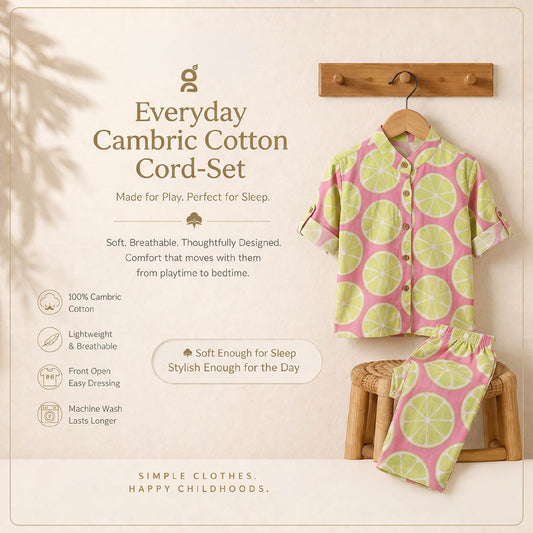
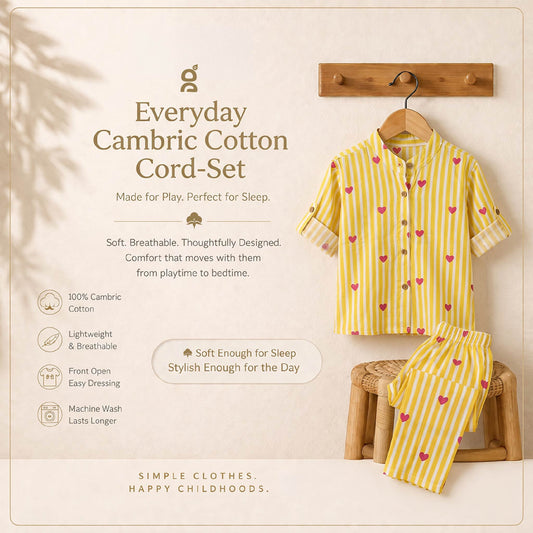
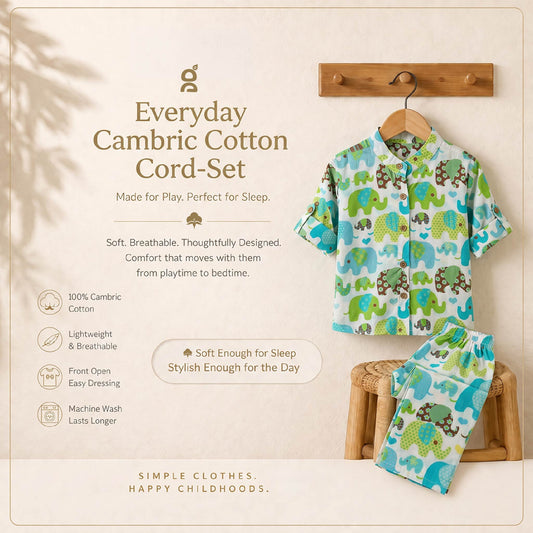
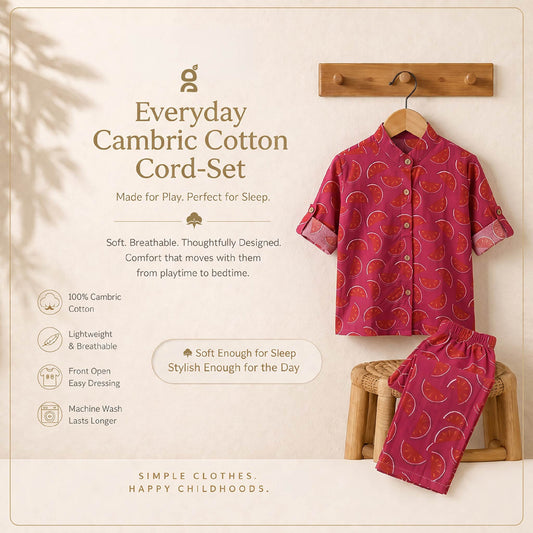
Many babies especially newborns are perfectly fine in soft, breathable outfits that work for both naps and play. Loose muslin jablas, comfortable cotton sets, and gentle loungewear often carry babies through the day and into sleep without any problem.
The goal isn’t strict rules. It’s comfort and consistency.
As babies grow and start following clearer sleep patterns, having dedicated sleepwear often becomes more helpful.
You might notice that separate sleepwear helps if your baby:
- Struggles to settle at night
- Seems uncomfortable or restless during sleep
- Sweats or feels too warm overnight
- Is learning a more regular bedtime routine
Sometimes the fix isn’t big. It’s softer fabric. Lighter layers. Fewer seams.
At the end of the day, comfort comes first.
Daywear and sleepwear don’t need to be complicated categories. What matters is how your baby feels in their clothes while they move, while they rest, and while they grow.
Some babies are happy in the same soft outfit all day. Others respond really well to the small cue of changing into sleepwear at night.
There’s no single right way. There’s only what keeps your baby comfortable, calm, and able to rest well.
And when your baby feels comfortable, everything else playtime, feeding, bedtime tends to feel a little easier for everyone.