Why Does My Baby Cry During Outfit Changes? Common Reasons Parents Miss
Share
If your baby starts crying the moment you begin changing their clothes, it doesn’t mean they hate getting dressed. And it definitely doesn’t mean you’re doing something wrong. It usually just means something feels uncomfortable to them, even if it doesn’t seem like a big deal to you.
Babies feel everything more strongly than adults. Things we barely notice can feel intense to them.
When you remove their clothes, they suddenly feel exposed. Early mornings, evenings, or air-conditioned rooms can feel much colder to a baby than to us. What feels perfectly fine to you can feel sharp or uncomfortable to them. That sudden change is often enough to make them cry. Lighter, breathable clothes help because they don’t cause that sudden shock when clothes come off or go on.
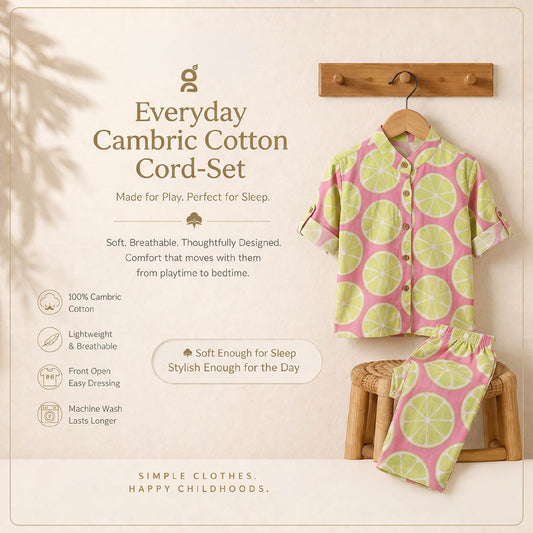
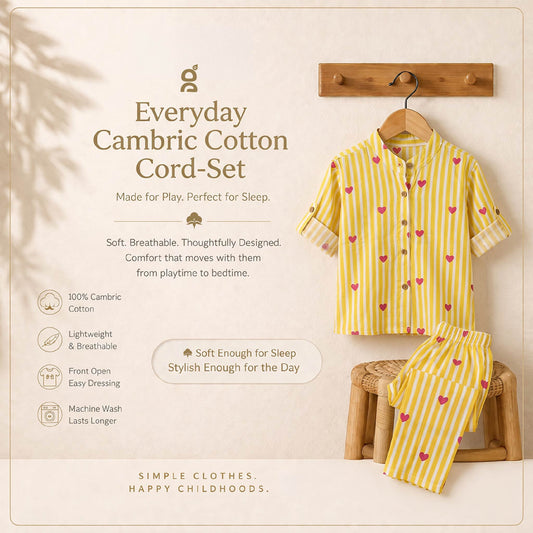
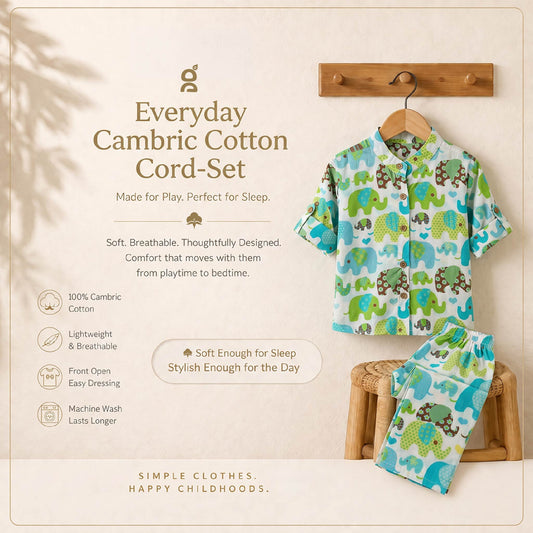
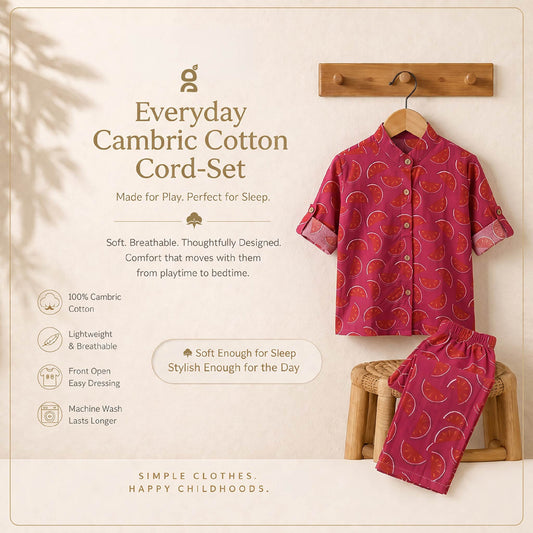
Fabric is another big reason. A baby’s skin is soft and sensitive, and not all fabrics feel good on it. Clothes that feel normal to us—slightly stiff cotton, blended fabrics, thick seams, rough stitching—can feel irritating to a baby. Softer, more flexible fabrics move with their body instead of rubbing against it. When clothes feel gentle, babies tend to resist less.
For very small babies, pulling clothes over the head can be scary. For a few seconds, they can’t see anything. They don’t know what’s happening or why. That moment of confusion is often enough to make them cry. This is why front-open clothes make such a difference in the early months. When they can see you the whole time, they feel safer.
Tight clothes can also upset them. Babies want to move. They kick, stretch, curl up, straighten out—it’s how they’re comfortable. Tight necks, snug armholes, or strong elastic can make them feel trapped. Loose clothes let them move naturally, and that alone can make outfit changes easier.
Sometimes it’s not the clothes at all. It’s the timing.
Outfit changes often happen when babies are already tired, hungry, or just done for the moment—after a bath, before a feed, or right when they’re about to fall asleep. When they’re in that state, even the smallest discomfort feels like too much.
Changing clothes less often, and sticking to simple, comfortable outfits that work through different parts of the day, can make things a lot easier—for you and for your baby.
Smell can matter too. Babies are very sensitive to scents. Strong detergent smells or fabric softeners can feel overwhelming, even if their skin looks fine. Mild, fragrance-free washing keeps clothes soft without adding another thing for them to react to.
If changing clothes is always a struggle, try simplifying things. Use soft fabrics. Choose front-open styles when your baby is small. Avoid tight elastic and heavy layers. And try to change clothes when your baby is calm, not already upset.
When babies cry during outfit changes, they’re not being fussy or dramatic. They’re just telling you something doesn’t feel right. Often, the fix isn’t speed or distraction—it’s comfort.
And once they feel comfortable, those everyday moments get a little easier for both of you.